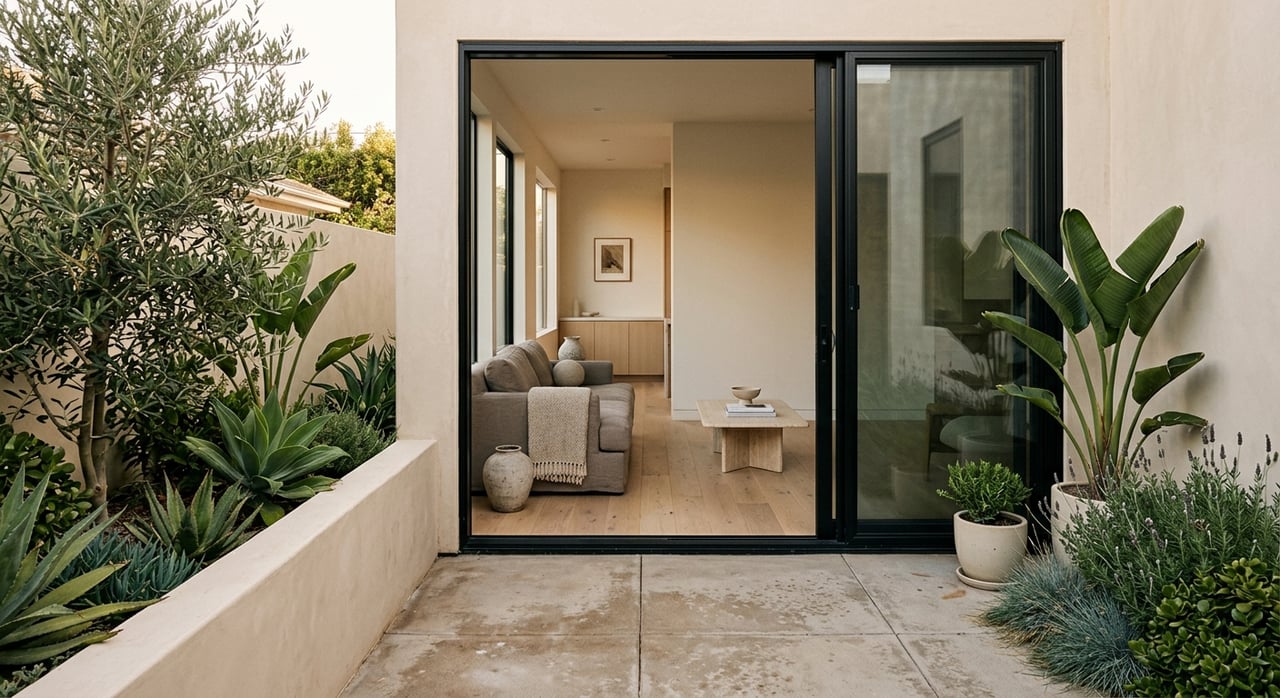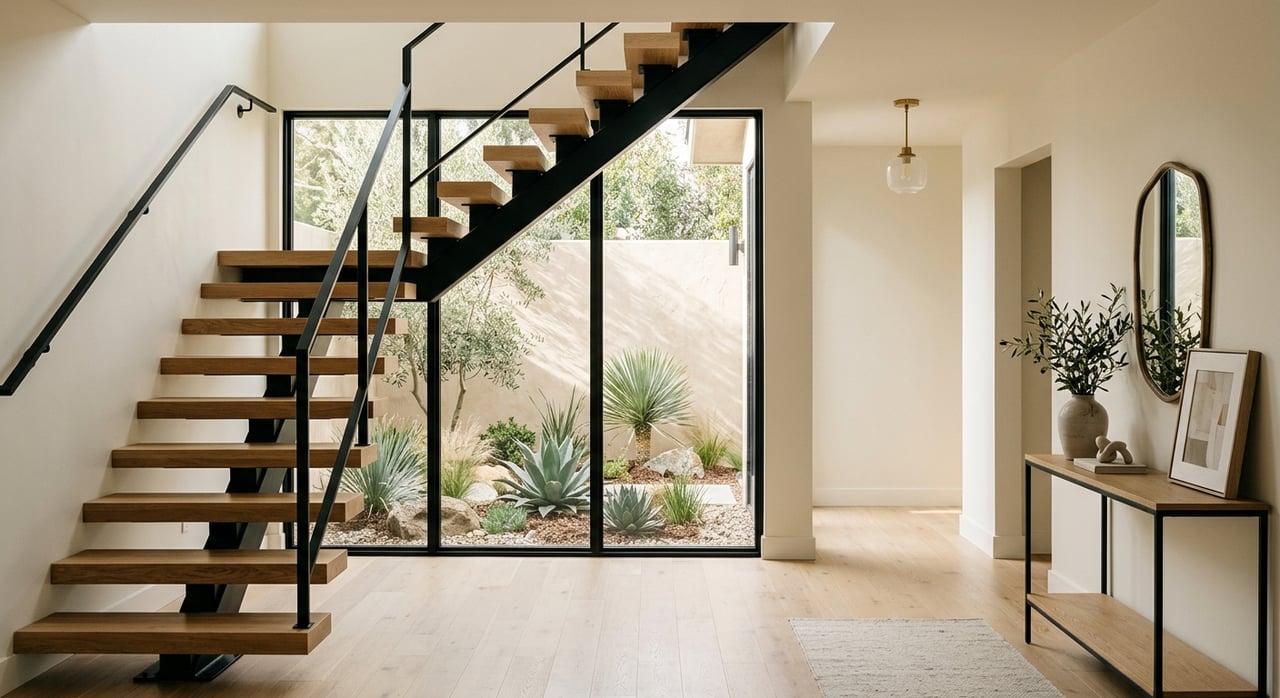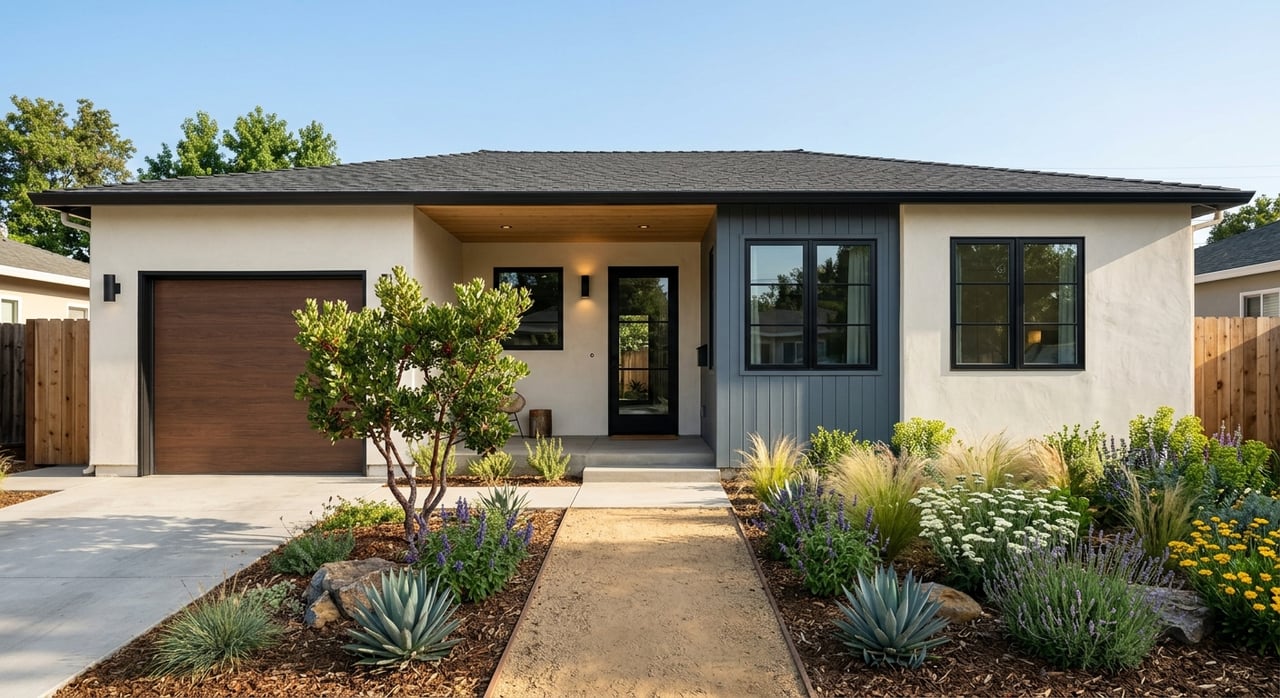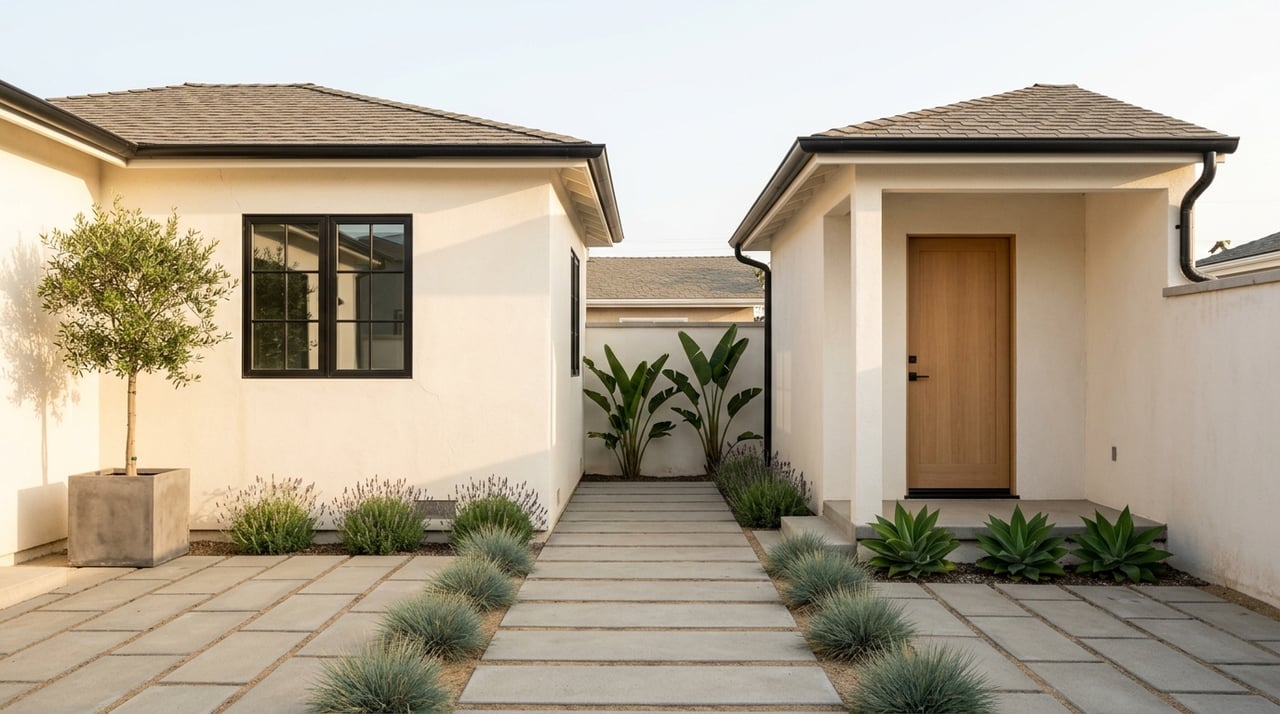
If you are trying to make room for parents, adult children, or long-term family support under one roof, Huntington Beach can offer more options than you might expect. Rising housing costs, an older housing stock, and flexible ADU rules have made multigenerational living a practical path for many households. If you want more privacy, better long-term planning, or a way to support aging in place, this guide will help you understand what to look for in Huntington Beach. Let’s dive in.
Why multigenerational living matters here
Huntington Beach has 193,151 residents, 78,307 households, and an average household size of 2.48 people, according to the U.S. Census QuickFacts for Huntington Beach. The city also has an owner-occupied rate of 55.4%, a median owner-occupied home value of $1.1 million, and a median gross rent of $2,510. Those numbers help explain why many families explore shared living arrangements to spread housing costs across more than one adult generation.
Age is also part of the picture. The same Census data shows that 19.4% of Huntington Beach residents are 65 or older, which makes aging in place an important planning issue for many households. For some families, multigenerational living is less about square footage and more about staying connected while giving each person the support and independence they need.
The city’s Housing Element also points to several pressures facing older adults, including fixed incomes, higher health costs, mobility limitations, transit dependency, and limited in-home support when seniors live alone. That makes homes with flexible layouts, first-floor living features, or ADU potential especially relevant in Huntington Beach.
Best housing types to consider
Detached homes with flexible space
Huntington Beach remains heavily shaped by detached housing. In the city’s housing stock analysis, 48.1% of occupied units were 1-unit detached homes, compared with 11.6% for 1-unit attached homes. That matters because detached homes often give you more options for privacy, yard use, garage conversions, and future additions.
For multigenerational living, a detached home may work well if you need:
- A bedroom and full bath on the main floor
- Space for a private suite
- A garage that may support future conversion plans
- Yard area that may allow a detached accessory structure
- Separate entrances or quieter living zones
In many cases, the goal is not just a larger home. It is a home that can support shared living without making daily life feel crowded.
Older homes with remodel potential
The same housing analysis found that 69.9% of Huntington Beach homes were built between 1950 and 1979. Older homes can be appealing for multigenerational buyers because they may offer lot layouts, garage placement, or interior room arrangements that can be adapted over time.
That does not mean every older home is ready for a second suite or ADU. It does mean you may find opportunities to remodel for better separation, add accessibility features, or convert existing space in a way that fits your family’s needs.
Attached and multifamily options
Not every family wants or needs a detached home. Attached homes or smaller multifamily properties may still work well, especially if your plan centers on interior reconfiguration rather than adding square footage.
The city’s housing mix includes 11.5% of units in 3- or 4-unit buildings and 12.5% in buildings with 20 or more units, based on the same Housing Element analysis. For some households, the right solution may be an attached property with a practical floor plan, low-maintenance living, and room to create more privacy inside the existing layout.
ADUs and JADUs in Huntington Beach
Why ADUs are central to the conversation
Accessory dwelling units, or ADUs, have become one of the most important tools for multigenerational living in California. According to the California HCD ADU Handbook, ADUs and JADUs can help extended families live near one another while maintaining privacy, support aging in place, and offer flexible housing solutions for changing needs.
Statewide, ADU use has grown dramatically. HCD reports that permits increased from 1,336 in 2016 to 30,354 in 2024, and ADUs accounted for more than 26.6% of all homes permitted statewide in 2024. That growth shows how common ADUs have become as a real-world housing strategy.
What Huntington Beach allows
Huntington Beach states that ADUs and JADUs are regulated under state law and reviewed through a ministerial approval process. In simple terms, that means applications are reviewed against objective standards rather than subjective neighborhood opinion. If a property is in the Coastal Zone, a Coastal Development Permit may also be required.
For buyers and owners, that framework matters because it creates a more predictable path for planning. You still need to evaluate the property carefully, but the process is built around clear rules rather than discretionary hearings.
Key state rules to know
Under the state ADU handbook update, single-family lots must allow at least:
- One ADU created from existing space
- One JADU
- One newly constructed detached ADU
The same guidance says:
- JADUs are limited to 500 square feet
- JADUs may only be built within a proposed or existing single-family residence
- Multifamily sites must allow at least one internal conversion ADU and up to 25% of the existing units
- Existing multifamily sites may allow up to eight detached ADUs
- State law does not allow minimum lot-size requirements for ADUs
These rules can open up useful options if you are looking at a property with an attached garage, unused interior space, or a lot that can support a detached structure.
Parking, fees, and practical planning
Parking rules and development costs often shape whether a property makes sense for a multigenerational plan. The same HCD guidance says ADU parking requirements cannot exceed one parking space per unit or bedroom, whichever is less. Tandem parking is allowed, guest parking cannot be required, and some ADUs are fully exempt from parking requirements, including units within one-half mile of transit and units created within a primary residence or accessory structure.
Fees also matter. HCD states that ADUs of 750 square feet or less and JADUs of 500 square feet or less are exempt from impact fees, while larger ADUs are charged proportionately. For families balancing care needs, budget, and timing, those size thresholds can be an important part of the decision.
Layout features that support family privacy
Think in zones, not just bedrooms
The most effective multigenerational homes usually create separation without disconnecting the family. That might mean a main-floor bedroom and bath for an older parent, a private wing for adult children, or an ADU that gives a family member more independence while staying close.
In Huntington Beach, the most useful home features often include:
- A primary suite or bedroom on the main floor
- A full bathroom on the main level
- A garage or existing space that may support conversion
- Exterior space that may allow future flexibility
- A floor plan that can create separate living zones
- Storage areas that reduce day-to-day clutter in shared households
Accessibility features to look for
The HCD universal design model ordinance offers a helpful framework for features that support easier daily living. While voluntary, these design ideas are especially useful if your household includes older adults, people with mobility limitations, or anyone who benefits from simpler circulation through the home.
Key features include:
- An accessible path of travel to the home
- 32-inch interior doors
- At least one bathroom or powder room on the primary entry level
- Grab-bar backing in walls
- Accessible shower options
- Lever faucet controls
- An accessible route to the kitchen
If you are buying with long-term flexibility in mind, these features can matter just as much as square footage. A home that works today and adapts more easily tomorrow may save time, money, and stress later.
How to evaluate a Huntington Beach property
Before you make an offer, it helps to review a home through a multigenerational lens. You are not only asking whether the home fits your family now. You are also asking whether it can keep working as needs change.
Here are a few smart questions to ask:
- Does the layout provide privacy for more than one adult generation?
- Is there a first-floor bedroom and full bath?
- Does the lot or garage suggest ADU or conversion potential?
- Would accessibility upgrades be straightforward?
- Is the property in the Coastal Zone, where added approvals may apply?
- Will parking, fees, or lot configuration affect future plans?
This is where careful guidance matters. A property can look promising at first glance but raise important planning, permitting, or cost questions once you examine the details.
Why local guidance matters
In a market like Huntington Beach, multigenerational living decisions often involve more than style preferences. They can overlap with estate planning, senior transitions, trust-held property, or tax-sensitive family transfers. For that reason, it helps to work with an advisor who understands both the property side and the practical issues that can affect a family’s next move.
At The Gordon Group, you can get thoughtful, high-touch guidance grounded in Orange County market knowledge and legally informed real estate experience. If you are weighing a purchase, sale, or family housing transition in Huntington Beach, the right plan starts with understanding your options clearly.
FAQs
What types of Huntington Beach homes work best for multigenerational living?
- Detached single-family homes often offer the most flexibility because they may have yard space, garage space, and floor plans that are easier to adapt for privacy or future ADU use.
Can you build an ADU for family use in Huntington Beach?
- Yes. Huntington Beach follows state ADU and JADU rules through ministerial review, although properties in the Coastal Zone may also require a Coastal Development Permit.
What is a JADU in California?
- A JADU, or junior accessory dwelling unit, is a smaller unit that may only be built within a proposed or existing single-family residence and is limited to 500 square feet under state guidance.
Are older Huntington Beach homes good candidates for multigenerational remodels?
- Many can be, since a large share of the city’s housing stock was built between 1950 and 1979, which may create opportunities for interior reconfiguration, garage conversion, or accessibility upgrades.
What accessibility features should you look for in a multigenerational home?
- Helpful features include a main-level bathroom, wider interior doors, an accessible path of travel, accessible shower options, lever-style controls, and a layout that supports easier movement through key living spaces.
Do ADUs in Huntington Beach always require extra parking?
- No. Under state guidance, some ADUs are exempt from parking requirements, including units within one-half mile of transit and units created within a primary residence or accessory structure.